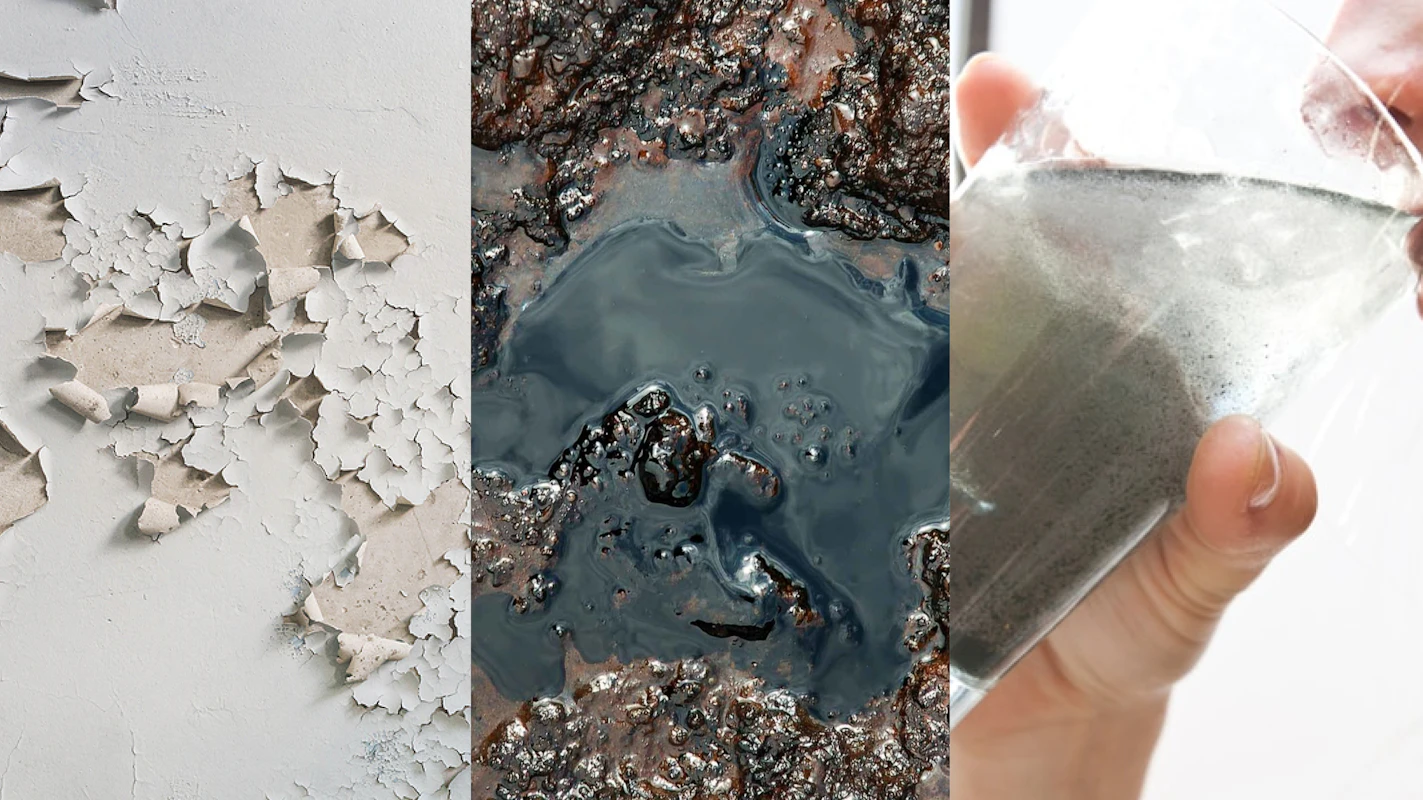
Common sources of lead exposure include:
Lead-based paint which was widely used in residential settings before it was banned in 1978
Soil contaminated with leaded gasoline and industrial emissions
And most notably, drinking water
Water supply facilities are equipped with technologies for lead removal. Still, there's a long maze of water pipes and plumbing fixtures between the treatment plant and your kitchen faucet where leaching can occur.
Along this pathway, water moves through a distribution system that may include lead service lines (the pipes that connect your household plumbing to the water main in the street), lead solder, brass faucets, and other potentially lead-containing plumbing materials.
So while water may be safe upon exit of the water treatment facility, depending on the water composition, the age of your home's pipes, and several other factors, the water quality reaching your tap may not be.
Important to note: lead cannot be absorbed through your skin, so bathing, showering, and washing your hands pose a low risk of lead exposure, even in the presence of lead plumbing fixtures.
The Lead and Copper Rule
As part of the Safe Drinking Water Act (SDWA), the EPA issued a regulation in 1991 called the Lead and Copper Rule to reduce lead and copper levels in drinking water. This regulation still applies to all public water systems that serve more than 50 people and includes the following parameters:
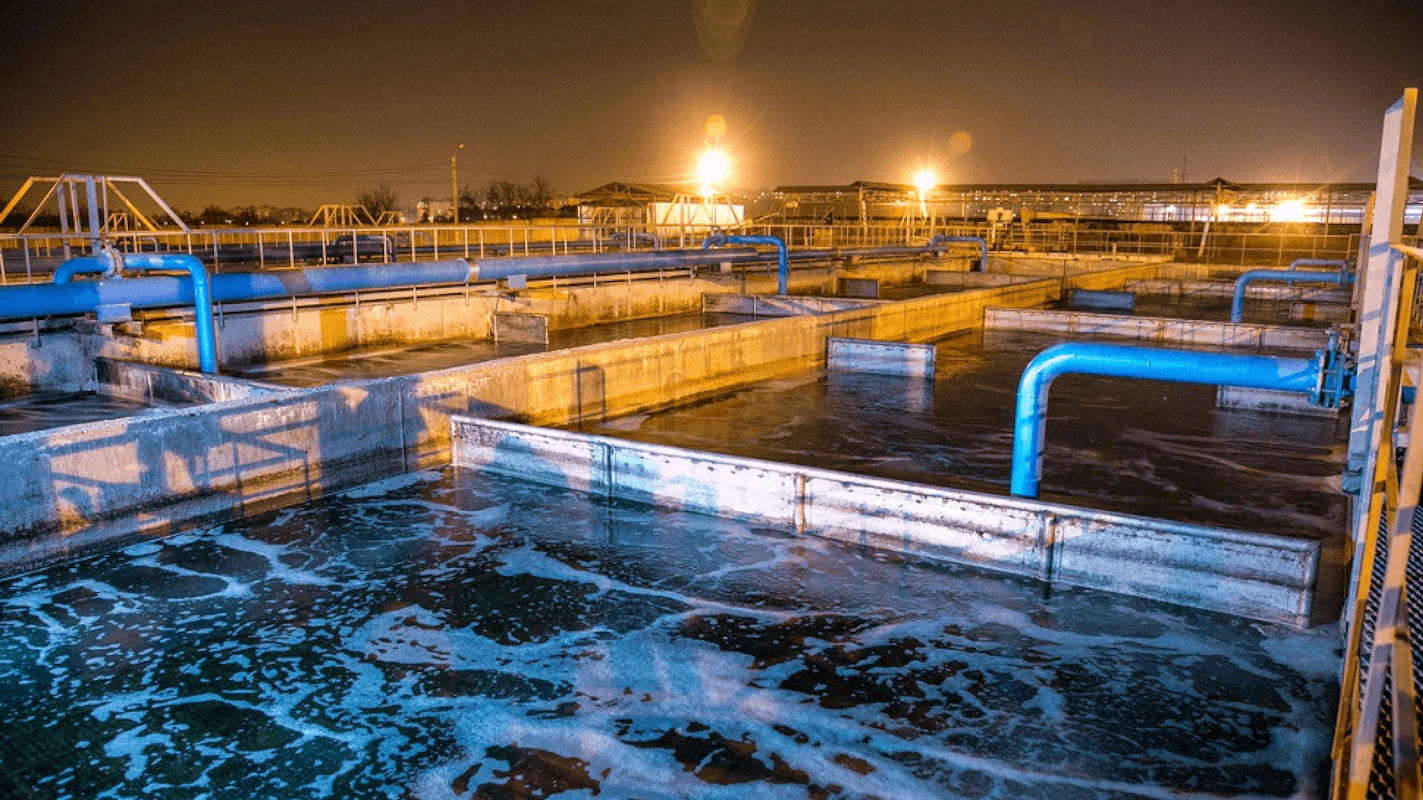
Corrosion Control Treatment
Water treatment plants must establish a corrosion control program to reduce leaching into drinking water from pipes, fittings, and fixtures. Corrosion control typically involves adding chemicals to the water that create a protective coating or scale inside pipes.
Monitoring
The LCR also requires public water systems to monitor customers' tap water at the point of entry into the home. If more than 10% of sampled taps exceed action levels of 15 ppb for lead or 1.3 ppm for copper, the water system must take further action to control corrosion and inform the affected communities. It is important to remember that action levels are not considered "safe levels." There is no safe level of lead in drinking water. This rule also does very little for the potential 10% of consumers experiencing higher levels of contaminants than these action levels.
Public Education
Public Water Systems are required to provide the public with information about the dangers of lead and copper in their drinking water, steps they can take to reduce their exposure, and resources for copper and lead testing.
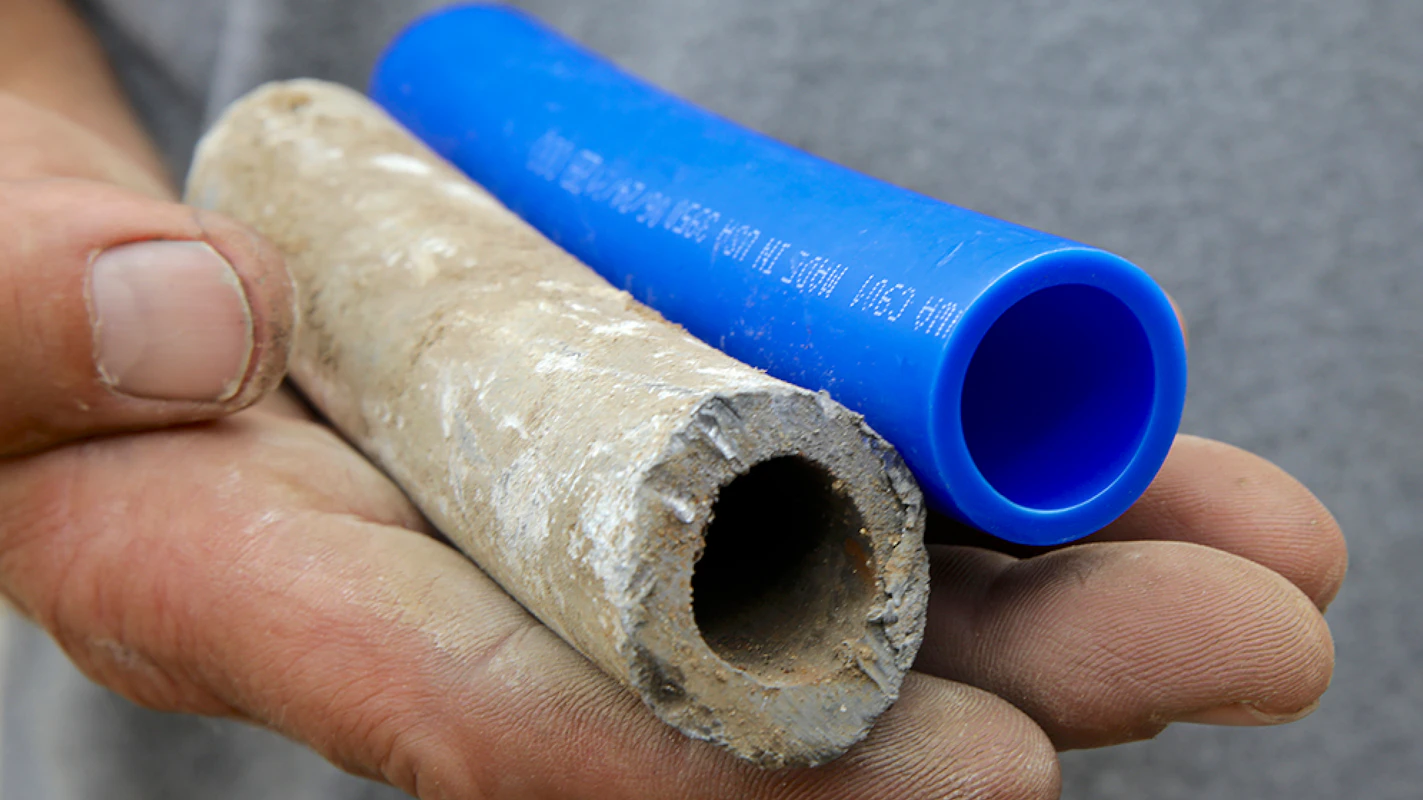
Lead Service Line Replacement
If public water systems optimize corrosion resistance plans and action levels are still consistently exceeded, water suppliers are required to begin replacing lead service lines.
![[TF] clearblue cf icon 2bwordmarkup lockup small 51cebc6ee571](http://clearlyfiltered.com/cdn/shop/files/clearblue-cf-icon-2bwordmarkup-lockup-small-51cebc6ee571.png?height=42&v=1780135840)


![[TF] clearblue cf icon 2bwordmarkup lockup small 51cebc6ee571](http://clearlyfiltered.com/cdn/shop/files/clearblue-cf-icon-2bwordmarkup-lockup-small-51cebc6ee571.png?height=36&v=1780135840)


